UK Visit Visa Complete Guide 2026: Requirements, Documents, Application Process and Approval Tips
Applying for a UK visit visa from Pakistan in 2026 is a structured but demanding process. The UK remains one of the most sought-after destinations for Pakistani travellers — whether for tourism, family visits, business meetings, or medical treatment. With refusal rates for Pakistani applicants hovering between 40-55%, understanding every requirement, fee structure, and processing step is critical for success. This complete guide covers the UK visit visa from start to finish: visa types and eligibility, the complete step-by-step application process, current fees, processing times, VFS appointment scheduling, and strategies to maximise your approval chances. Whether this is your first application or you are reapplying after a refusal, this guide gives you the blueprint for a successful UK visa outcome.
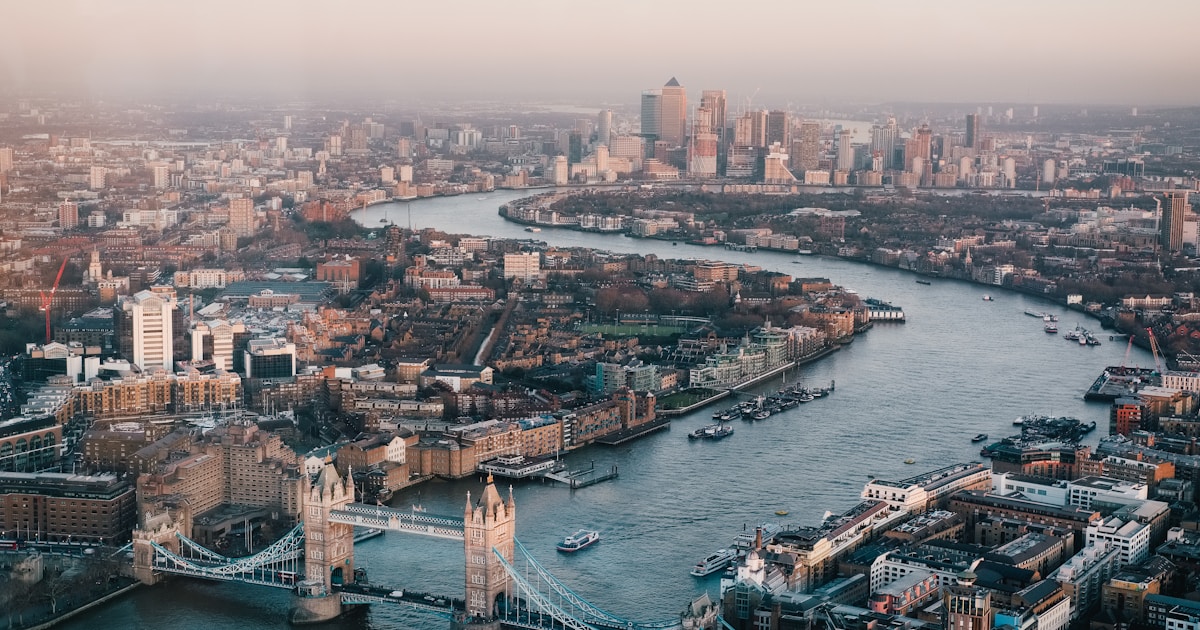
London's iconic Tower Bridge — one of the top destinations for Pakistani travellers heading to the UK
What Is a UK Standard Visitor Visa?
The UK Standard Visitor Visa is the primary visa category for Pakistani nationals travelling to the United Kingdom for short-term purposes. Introduced in 2015, it consolidated the previous Tourist, Business Visitor, and Family Visitor visa categories into a single application type. In 2026, this remains the most common route for Pakistani citizens visiting the UK for tourism, family reunions, business meetings, conferences, or private medical treatment.
The Standard Visitor Visa permits stays of up to 6 months per visit. For frequent travellers, long-term options are available — 2-year, 5-year, and 10-year visas — each allowing multiple entries with stays of up to 6 months per entry. You cannot work, study for more than 30 days, or access public funds on a Standard Visitor Visa. The visa is issued as a vignette (sticker) in your passport, or for longer-term visas, you may receive a Biometric Residence Permit (BRP).
| Visa Type | Duration | Fee (GBP) | Best For |
|---|---|---|---|
| Standard Visitor (Tourism) | 6 months | GBP 135 | Leisure, sightseeing, visiting friends |
| Business Visitor | 6 months | GBP 135 | Meetings, conferences, training |
| Family Visit | 6 months | GBP 135 | Visiting UK-based family members |
| Medical Visitor | 6 months | GBP 135 | Private medical treatment |
| Transit Visa | 48 hours | GBP 64 | Passing through UK en route elsewhere |
| Long-Term (2 year) | 2 years | GBP 506 | Frequent travellers |
| Long-Term (5 year) | 5 years | GBP 903 | Established travel history |
| Long-Term (10 year) | 10 years | GBP 1,128 | Extensive UK travel history |
Who Can Apply for a UK Visit Visa from Pakistan?
Any Pakistani citizen holding a valid passport can apply for a UK Standard Visitor Visa. However, eligibility goes beyond just holding a passport. UKVI assesses each application based on a comprehensive set of criteria designed to determine whether you are a genuine visitor who will leave the UK before your visa expires. The following eligibility requirements apply specifically to Pakistani applicants:
Core Eligibility Criteria
- Valid Pakistani passport — Minimum 6 months validity beyond intended stay, at least 2 blank pages for the visa vignette
- Genuine visitor requirement — You must demonstrate that you intend to leave the UK at the end of your visit and will not attempt to remain in the UK beyond your permitted stay
- Financial capability — You must show that you have sufficient funds to cover your trip (including return travel, accommodation, daily expenses, and any associated costs) without working in the UK
- Ties to Pakistan — You must demonstrate strong ties to Pakistan — employment, property, family, or other commitments — that compel your return
- No immigration violations — You must not have any outstanding immigration violations, overstays, or deception findings from previous UK or other country applications
- Character requirement — You must not have a criminal record that would make your presence in the UK undesirable
Age Requirements
There is no minimum age to apply for a UK Standard Visitor Visa. However, applicants under 18 require additional documentation including consent from both parents or legal guardians, proof of the accompanying adult's identity and relationship to the minor, and evidence of adequate arrangements for the minor's care in the UK. Children travelling alone may need an unaccompanied minor form from the airline.
Previous Travel History
While not a strict requirement, having previous travel history to the UK, US, Canada, Schengen area, or Australia significantly strengthens your application. Previous travel demonstrates that you have complied with immigration rules in other countries and are likely to do the same in the UK. If this is your first international trip, your application will receive more scrutiny, so it becomes even more important to present a strong file.
Key Insight for 2026
Step-by-Step UK Visa Application Process
The UK visit visa application process is entirely online, followed by a biometrics appointment at a VFS Global centre in Pakistan. Here is the complete step-by-step guide for 2026:
- Create your UKVI account — Visit the official UK Visas and Immigration portal and create an account using your email address. You will receive a confirmation email with your GWF (Global Web Form) reference number. This number tracks your application throughout the process.
- Select your visa category — Choose the correct Standard Visitor Visa sub-category based on your travel purpose. Selecting the wrong category is a common mistake that can lead to refusal even if your profile is otherwise strong.
- Complete the online application form — Fill out the application form carefully. Every field must match your passport exactly — name discrepancies, incorrect dates, or inconsistent information are top refusal reasons. You will need to provide personal details, travel history, employment information, financial details, and your planned itinerary. For a detailed walkthrough, read our How to Apply Online Guide.
- Upload your documents — Scan and upload all required documents in the specified format (PDF, JPEG). Maximum file size is typically 5MB per document. Use our Documents Checklist to ensure nothing is missed.
- Pay the application fee — Pay the UKVI fee online using a credit or debit card. The fee is non-refundable regardless of the outcome. Standard 6-month visa: GBP 135 (~PKR 52,000). For the complete fee breakdown, read our UK Visa Fees Guide.
- Book your VFS appointment — After paying the fee, you will be directed to the VFS Global website to book your biometrics appointment. Choose your nearest VFS centre (Lahore, Karachi, or Islamabad) and select an available date and time slot. For step-by-step instructions, see our Appointment Guide.
- Attend your VFS appointment — Visit your VFS centre on the scheduled date with all required documents. You will provide biometrics (fingerprints and photograph), submit your documents, and pay the VFS service charge. The appointment takes approximately 30-60 minutes.
- Wait for processing — After your biometrics appointment, your application enters the UKVI processing queue. Standard processing takes 15-21 working days. Priority processing (available at VFS Premium centres) takes 5-7 working days. For current timelines, see our Processing Time Guide.
- Track your application — Monitor your application status online. For tracking instructions, read our Visa Tracking Guide.
- Receive your decision — You will receive an email notification when your decision is ready. Collect your passport from the VFS centre or receive it by courier. If approved, your passport will contain the UK visa sticker (vignette).
UK Visa Fees Overview
| Fee Component | Amount (PKR) | Notes |
|---|---|---|
| UKVI Application Fee (6 months) | ~PKR 52,000 | Non-refundable |
| VFS Service Charge | ~PKR 8,000 | Standard service |
| Travel Insurance | PKR 3,000 - 8,000 | Required for entire stay |
| Document Translation | PKR 2,000 - 5,000 | If documents need translation |
| Total Estimated Cost | ~PKR 68,000 - 85,000 | Per applicant |
VFS Global Pakistan — Locations and Services
VFS Global manages all UK visa application centres in Pakistan. There are four centres across the country, each offering standard and premium services. For a complete guide to booking and attending your appointment, read our UK Visa Appointment Guide.
| City | Address | Services |
|---|---|---|
| Islamabad | Park Road, Chattha Bakhtawar, Chak Shahzad | Standard, Priority, Super Priority |
| Lahore | MCT Madina Corporate Tower, 8 Queens Road | Standard, Priority |
| Karachi | Bahria Complex IV, Ground Floor, Clifton | Standard, Priority |
| Mirpur (AJK) | Hanif Plaza, Sector D-4, New Mirpur City | Standard |
Top 5 Reasons for UK Visa Refusal from Pakistan
Understanding why applications get refused is just as important as knowing how to apply. For a complete analysis of refusal reasons and reapplication strategies, read our UK Visa Refusal Guide. Here are the top 5 reasons:
- Insufficient ties to Pakistan — The number one refusal reason. UKVI must be convinced you have compelling reasons to return.
- Inconsistent financial documents — Sudden large deposits, inconsistent income patterns, or insufficient funds.
- Previous visa refusals not disclosed — Failing to disclose previous refusals is considered deception.
- Unclear purpose of visit — Vague or generic cover letters are a common weakness.
- Previous immigration violations — Overstaying a visa in the UK or any other country.
Refusal Statistics for 2026
Ties to Pakistan — How to Prove You Will Return
Demonstrating strong ties to Pakistan is the single most important factor in a UK visa application. UKVI evaluates your ties across four key dimensions:
Employment Ties
- Employment letter on company letterhead with your position, salary, leave dates, and return confirmation
- Salary slips for the last 3-6 months matching your stated income
- Leave approval letter from your employer
- Company registration documents (NTN certificate)
- If self-employed: business registration, client contracts, business bank statements
Property and Asset Ties
- Property ownership documents (registry, mutation, or title deeds)
- Vehicle registration in your name
- Investment certificates (stocks, mutual funds, fixed deposits)
Family Ties
- Marriage certificate (NADRA)
- Children's birth certificates
- Family Registration Certificate (FRC) from NADRA
- Evidence of family dependents who will remain in Pakistan
Financial Ties
- Bank statements showing consistent income over 6 months
- Fixed deposits or savings certificates
- Pension or retirement fund documentation

A properly organised visa file with tabbed sections and complete documentation significantly improves approval chances
Common Mistakes to Avoid
- Wrong visa category — Applying for tourism when you intend to attend business meetings
- Name discrepancies — Form name not matching passport exactly
- Inconsistent financial information — Stated income not matching bank statements
- Not disclosing previous refusals — Considered deception, can result in a ban
- Rushing through the form — The UKVI form is detailed; take your time
- Vague purpose of visit — Be specific about why you want to visit the UK
- Uploading unclear documents — Ensure all scans are legible
- Booking flights before visa approval — Wait for your visa before purchasing tickets
Expert Tips for Approval
- Start with the 6-month visa: If this is your first UK application, apply for the 6-month visa instead of the 2-year visa to save money
- Build travel history first: If you have no international travel, consider visiting Dubai, Turkey, or a Schengen country first
- Write a personalised cover letter: Explain your specific situation, purpose of visit, and why you will return to Pakistan
- Get a Visa Lab audit: Professional review of your application before submission can identify weaknesses
- Apply early: Submit your application at least 4-6 weeks before your intended travel date
Frequently Asked Questions
How long does a UK visit visa take from Pakistan?
Standard processing takes 15-21 working days. Priority processing takes 5-7 working days. During peak season (June-September), processing can take 21-30 working days.
How much does a UK visit visa cost from Pakistan?
The UKVI application fee is GBP 135 (~PKR 52,000) for a 6-month visa. Total cost including VFS charges, insurance, and document preparation is approximately PKR 68,000-95,000.
Can I work on a UK visit visa?
No. You cannot work, study for more than 30 days, or access public funds on a Standard Visitor Visa. The visa is strictly for tourism, business meetings, family visits, or medical treatment.
What is the refusal rate for UK visas from Pakistan?
The refusal rate for Pakistani Standard Visitor Visa applicants is approximately 40-55%. Thorough preparation and a well-organised file significantly improve your chances.
Do I need IELTS for a UK visit visa?
No. Language tests are not required for UK Standard Visitor Visas. The visa is for short-term visits, not study or work.
Related UK Visa Guides
Now that you understand the complete UK visit visa process, dive deeper into each topic with our detailed guides:
- UK Visit Visa Requirements — Complete eligibility criteria and requirements
- Documents Checklist — Every document you need, formatted correctly
- How to Apply Online — Step-by-step UKVI portal walkthrough
- UK Visa Fees Guide — Complete cost breakdown and savings tips
- Processing Time — Current wait times and how to check status
- Refusal Guide — Understand refusal reasons and reapply successfully
- Appointment Guide — VFS booking walkthrough
- Visa Tracking Guide — Check your application status
Ready to Apply?
Related UK Visa Guides
Ready to Apply for Your UK Visa?
Use our Visa Lab to check your approval score, identify weaknesses, and build the strongest possible application before you pay the non-refundable fee.